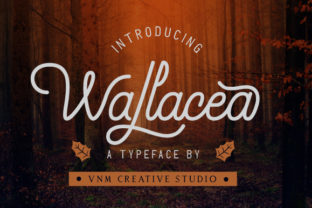
Wallacea: A Handwritten Font with a Bold and Romantic Appeal
Wallacea is a handwritten font that stands out for its bold aesthetic and playful elegance. Designed to evoke a sense of charm and romance, it blends the fluidity of hand-drawn typography with structured form. Whether you're creating invitations, branding materials, or personal projects, Wallacea offers a unique visual identity that can elevate your design work.
What Makes Wallacea Unique?
At first glance, Wallacea might remind you of classic script fonts, but it brings something fresh and modern to the table. Its distinctiveness lies in the balance between legibility and artistic flair. The font features elegant swashes that add a touch of sophistication, while maintaining readability even in larger sizes.
Unlike some other handwritten fonts that can feel cluttered or overly decorative, Wallacea maintains a clean structure that makes it versatile for various applications. This combination of boldness and grace makes it ideal for designs that require both personality and clarity.
Comparing Wallacea to Similar Options
When considering fonts similar to Wallacea, it's important to understand how it compares with alternatives in terms of style, use cases, and performance across different platforms.
For instance, many other handwritten fonts prioritize ornate details over readability. While this can be visually striking, it often limits their practical application. Wallacea, on the other hand, strikes a middle ground—offering enough character to stand out without sacrificing usability.
Another common alternative is more traditional serif or sans-serif fonts. These are reliable choices for professional settings, but they lack the personality that Wallacea brings. If you're looking for a font that can convey emotion and individuality, Wallacea is a strong contender.
It’s also worth noting that some fonts designed for calligraphy or cursive styles may not be as suitable for digital use. Wallacea, however, has been optimized for both print and screen, making it a great choice for a wide range of projects.
Strengths and Limitations of Wallacea
One of the primary strengths of Wallacea is its versatility. It works well in both formal and informal contexts, which means it can adapt to different design needs. Whether you're crafting a wedding invitation or designing a logo, Wallacea can fit seamlessly into your vision.
Its bold appearance also makes it ideal for headlines and attention-grabbing elements. The font’s swashes and curves create a sense of movement, drawing the eye and adding visual interest to any layout.
However, like any font, Wallacea has its limitations. For example, it may not be the best choice for long blocks of text due to its stylized nature. In such cases, pairing it with a more neutral body font could help maintain readability without losing the overall aesthetic.
Additionally, while Wallacea is excellent for creative projects, it may not be the most appropriate choice for highly professional or technical documents. These types of materials typically benefit from more structured and standardized typography.
Best-Fit Situations for Using Wallacea
Wallacea shines in situations where a romantic or whimsical touch is desired. It is particularly well-suited for:
- Wedding Invitations: The elegant swashes and bold style make it perfect for creating a memorable and personalized invitation.
- Branding Materials: Businesses that want to convey a sense of creativity and uniqueness can benefit from using Wallacea in their logos or marketing collateral.
- Personal Projects: From social media posts to handmade cards, Wallacea adds a charming and distinctive element to any design.
- Artistic Designs: Artists and designers who want to incorporate handwritten elements into their work will find Wallacea to be a valuable tool.
These scenarios highlight how Wallacea can be tailored to meet specific design goals while maintaining its signature style.
Alternatives to Consider
If Wallacea isn't the right fit for your project, there are several alternatives that offer similar benefits while catering to different preferences.
Fonts like Great Vibes and Oranienbaum share a similar handwritten aesthetic but tend to be more decorative, which can sometimes reduce readability. Bauhaus 93 and Knewave are more geometric and stylized, offering a different visual approach.
Each of these fonts has its own strengths and limitations, so the best choice depends on your specific needs. For example, if you're looking for a more modern and minimalistic look, Bauhaus 93 might be a better fit. However, if you prefer a more romantic and flowing style, Wallacea remains an excellent option.
Practical Examples of Wallacea in Use
To better understand how Wallacea can be applied in real-world scenarios, let's explore a few examples:
Example 1: A boutique owner wants to create a custom logo that reflects the brand's charm and uniqueness. By using Wallacea in the logo, the design becomes more engaging and memorable, helping to establish a strong brand identity.
Example 2: A designer is working on a wedding invitation and wants to add a personal touch. Incorporating Wallacea into the text creates a romantic and elegant feel, enhancing the overall experience for the recipients.
Example 3: A small business owner is designing a flyer for a local event. Using Wallacea in the headline draws attention and adds a sense of warmth, making the flyer more inviting and appealing.
These examples demonstrate how Wallacea can be used effectively in a variety of contexts, providing both visual appeal and functional value.
Making an Informed Decision
Choosing the right font depends on your project's goals, audience, and intended use. Wallacea is an excellent choice when you want to add a touch of romance, elegance, and personality to your design. However, it's important to consider whether its stylistic elements align with your overall message and purpose.
If you're unsure whether Wallacea is the best fit, experimenting with different fonts and observing how they interact with your content can help you make a more informed decision. Ultimately, the goal is to select a font that enhances your design while remaining accessible and effective.