Aladina: The Handwritten Font That's Changing the Game
In an era where digital design is becoming increasingly sophisticated, typography plays a pivotal role in shaping user experience and brand identity. Among the many fonts that have emerged to meet this demand, Aladina stands out as a bold and authentic handwritten font that brings a unique visual language to any design project. Whether you're a creative professional, entrepreneur, or marketer, understanding what Aladina is and how it fits into today’s design landscape can give you a competitive edge.
What Is Aladina?
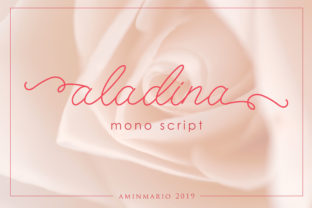
Aladina is a modern, handwritten typeface designed to evoke a sense of authenticity and personality. It features fluid, expressive strokes that mimic the natural flow of handwriting, making it ideal for both print and digital applications. Unlike traditional serif or sans-serif fonts, Aladina offers a more personal touch, allowing designers to create content that feels more human and relatable.
The font was created with a focus on versatility and readability, ensuring that it remains legible even at smaller sizes. Its character set includes a wide range of letters, numbers, and special characters, making it suitable for a variety of use cases—from branding materials to website headers and social media posts.
Why Aladina Matters in Today’s Design Landscape
As consumers become more discerning about the aesthetics of the products they engage with, the demand for visually engaging and emotionally resonant design has never been higher. Aladina taps into this trend by offering a font that not only looks great but also tells a story. It aligns with the growing preference for personalized and handcrafted visuals, which are seen as more trustworthy and genuine in a world dominated by mass-produced content.
Moreover, the rise of social media and digital platforms has made it essential for brands to stand out in a crowded online space. Aladina provides an easy way to differentiate through its distinctive style, helping creators and businesses build a stronger emotional connection with their audience. This is especially relevant in industries such as fashion, lifestyle, and marketing, where visual appeal plays a crucial role in consumer engagement.
Trends Driving the Demand for Aladina
- Minimalism and Authenticity: As minimalism continues to dominate design trends, fonts like Aladina offer a perfect balance between simplicity and personality. They allow designers to maintain a clean aesthetic while adding a human element.
- Handmade Aesthetics: There is a growing appreciation for handmade and artisanal designs, driven by a desire for uniqueness and craftsmanship. Aladina perfectly captures this sentiment, making it a favorite among creatives looking to add warmth and character to their work.
- Brand Identity: Strong brand identities often rely on consistent and memorable visual elements. Aladina helps brands establish a distinct visual voice, reinforcing their message and values through typography.
How Aladina Fits Into Broader Industry Trends
The popularity of Aladina reflects broader shifts in the creative and business worlds. In the realm of digital marketing, for example, there is a clear move toward more personalized and emotionally engaging content. Aladina supports this shift by enabling marketers to create content that feels more human and approachable.
Similarly, in the creative industry, there is a growing emphasis on storytelling and emotional resonance. Aladina allows designers to craft messages that are not only visually appealing but also emotionally impactful. This is particularly valuable for content creators, influencers, and entrepreneurs who rely on compelling narratives to connect with their audiences.
From a technological standpoint, the increasing integration of AI and automation in design workflows has also contributed to the demand for fonts like Aladina. While these tools can streamline the design process, they often lack the nuance and creativity that human-designed fonts provide. Aladina fills this gap, offering a level of authenticity that cannot be replicated by algorithms.
Practical Applications of Aladina
Whether you're designing a logo, creating social media content, or developing a website, Aladina can be a powerful tool. Here are some practical examples of how it can be used:
- Branding: Use Aladina for logos, taglines, and other brand assets to create a cohesive and memorable visual identity.
- Social Media: Incorporate Aladina into Instagram captions, Facebook posts, and email newsletters to add a personal touch.
- Website Headers: Apply Aladina to headlines and call-to-action buttons to draw attention and enhance readability.
- Print Materials: Use Aladina in brochures, invitations, and packaging to create a more tactile and engaging experience.
By integrating Aladina into your design workflow, you can create content that feels more authentic, relatable, and aligned with current design trends.
Conclusion: The Future of Typography
As the design landscape continues to evolve, fonts like Aladina will play an increasingly important role in shaping user experiences and brand identities. Its ability to blend authenticity with functionality makes it a valuable asset for professionals, creators, and businesses looking to stand out in a competitive market.
With its expressive style and versatility, Aladina is more than just a font—it’s a statement. It represents a shift towards more human-centered design, where typography is no longer just about function, but also about emotion and connection. Whether you’re a designer, marketer, or entrepreneur, embracing Aladina could be the key to unlocking new levels of creativity and engagement in your work.