Spiderpies: A Handwritten Font That Elevates Creative Workflows
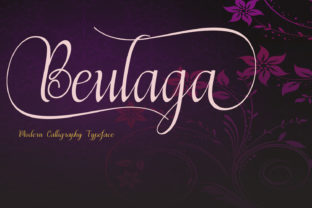
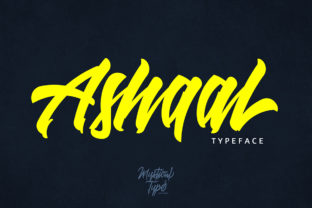
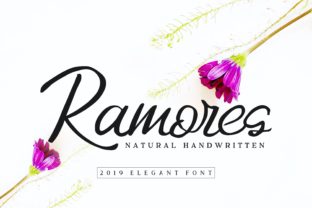
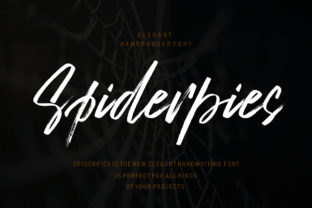
Spiderpies is more than just a font—it’s a design tool that brings personality, elegance, and a modern twist to any creative project. Its handwritten style offers a unique blend of sophistication and approachability, making it ideal for both personal and professional use. Whether you're designing a logo, crafting marketing materials, or enhancing digital content, Spiderpies can help you stand out with its distinctive visual appeal.
The Role of Typography in Creative Workflows
Typography plays a crucial role in how information is perceived and processed. The right font can enhance readability, convey tone, and even influence user behavior. In creative workflows, typography isn’t just about aesthetics—it’s about communication. Spiderpies fits seamlessly into this process by offering a visually engaging alternative to standard fonts.
For professionals and creators, the choice of font often reflects the brand identity or the message being conveyed. Spiderpies provides an elegant handwritten look that feels both contemporary and timeless. This makes it particularly useful in scenarios where a human touch is desired without sacrificing clarity.
Where Spiderpies Fits in the Workflow
Spiderpies can be integrated at various stages of a project, depending on the needs of the user. Before a project begins, it can be used to sketch ideas, draft concepts, or create mood boards. During the execution phase, it can serve as a signature font for branding elements like headers, logos, or call-to-action buttons. After the project is completed, it can be used for final touches such as invitations, thank-you notes, or promotional materials.
Its versatility allows it to be used across different platforms and mediums. From web design to print, from social media graphics to email newsletters, Spiderpies adapts well to a wide range of applications. This flexibility makes it a valuable asset for anyone looking to maintain a consistent visual identity across multiple channels.
Integrating Spiderpies with Other Tools and Resources
One of the strengths of Spiderpies is its compatibility with popular design and productivity tools. It works well with Adobe products like Photoshop, Illustrator, and InDesign, as well as Canva, Figma, and Sketch. For those who prefer digital note-taking, it can be paired with apps like Notion, Evernote, or Google Docs to add a personalized touch to their notes and documents.
When working with web development tools, Spiderpies can be easily implemented using CSS or HTML. Developers can embed the font via @import or link it directly from a CDN. This ensures that the font remains consistent across all devices and browsers, providing a seamless user experience.
Additionally, Spiderpies can be combined with other fonts to create a balanced typographic hierarchy. Pairing it with a clean sans-serif font for body text can help maintain readability while still allowing the handwritten style to shine in key areas like headlines or titles.
Practical Implementation Tips
To get the most out of Spiderpies, consider the following practical tips:
- Use it strategically: Apply Spiderpies to elements that require a bit of flair but don’t need to be read extensively. This helps maintain legibility while adding visual interest.
- Test it across platforms: Ensure that the font renders correctly on different devices and screen sizes. This is especially important for web-based projects.
- Balance it with other fonts: Avoid overusing Spiderpies. Use it sparingly to maintain a cohesive and professional look.
- Consider accessibility: While Spiderpies is elegant, it may not be the best choice for users with visual impairments. Always provide alternative text or ensure that the font size is large enough for easy reading.
- Experiment with styles: Play around with different weights, italics, and spacing to find the perfect fit for your project.
By following these tips, you can ensure that Spiderpies enhances your work without overwhelming it. The key is to use it thoughtfully and in alignment with your overall design goals.
Real-World Use Cases
Spiderpies is widely used in a variety of industries and contexts. Here are a few examples of how it can be applied in real-world scenarios:
Marketing and Branding: Companies often use Spiderpies for logo design, taglines, and promotional materials. Its elegant yet approachable style makes it perfect for brands that want to appear both professional and personable.
Education and Learning: Educators can use Spiderpies to create handouts, presentations, or study guides. It adds a friendly and engaging element to educational content, helping students stay interested and motivated.
Personal Projects: Individuals can use Spiderpies for personal blogs, social media posts, or DIY crafts. It adds a creative and artistic flair to personal work, making it more memorable and expressive.
Business Communication: Small business owners can incorporate Spiderpies into their branding materials, such as business cards, brochures, and website headers. It helps create a strong visual identity that stands out in a crowded market.
Factors to Consider When Using Spiderpies
While Spiderpies is a powerful tool, there are several factors to consider when integrating it into your workflow:
Preparation: Before using Spiderpies, make sure you have the necessary tools and resources. This includes access to design software, knowledge of font embedding techniques, and an understanding of how the font will be used in your specific context.
Compatibility: Ensure that the font works well with the platforms and tools you use. Test it across different devices and environments to avoid any unexpected issues.
Usability: Keep in mind that Spiderpies is a handwritten font, which means it may not be as readable as traditional serif or sans-serif fonts. Use it in a way that prioritizes clarity and ease of reading.
Organization: Maintain a clear and organized workflow when using Spiderpies. This includes keeping track of font versions, license agreements, and usage rights to ensure compliance and consistency.
Efficiency: Use Spiderpies efficiently by applying it only where it adds value. Avoid overuse, as this can lead to visual clutter and reduce the effectiveness of your design.
Consistency: Maintain a consistent visual language throughout your projects. This helps reinforce brand identity and ensures that your audience perceives your work as cohesive and professional.
Quality Control: Regularly review your work to ensure that Spiderpies is being used effectively. Check for any inconsistencies, readability issues, or formatting problems that may arise.
Long-Term Use: Consider how Spiderpies will fit into your long-term workflow. Will it continue to meet your needs as your projects evolve? Is there a risk of becoming outdated or less relevant over time?
Conclusion
Spiderpies is more than just a font—it's a design tool that can elevate your creative workflow and help you communicate more effectively. By understanding its strengths, limitations, and potential applications, you can integrate it smoothly into your projects and routines. Whether you're a professional, a creator, or a hobbyist, Spiderpies offers a unique and elegant solution that can enhance your work in meaningful ways.