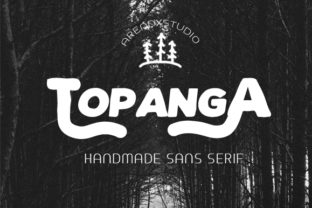
Topanga: A Bold Handwritten Font That Elevates Design
Design is about communication, and the right font can make all the difference. Topanga is a unique and fun handwritten font with a bold feel that brings a fresh, personal touch to any project. It’s not just another design tool—it's a way to connect with your audience in a more authentic and memorable way.
Whether you're crafting a brand identity, creating social media content, or designing marketing materials, Topanga offers a blend of classic charm and modern flair. Its distinctive style can transform even the simplest design into something standout. But what makes Topanga truly special? Let’s explore how it can enhance your creative work and why it might be the perfect choice for your next project.
Why Topanga Stands Out in a Sea of Fonts
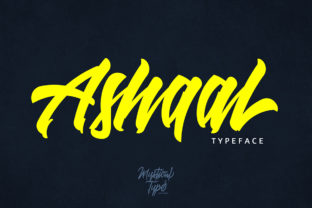
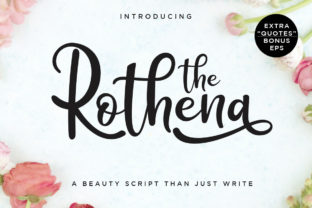
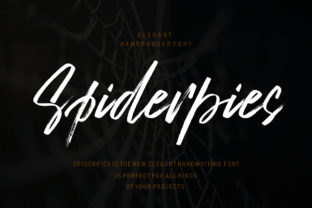
Topanga isn’t just another font—it’s an experience. With its bold, handwritten look, it captures the essence of creativity and individuality. Unlike many fonts that feel generic or overly stylized, Topanga strikes a balance between approachability and uniqueness. This makes it ideal for those who want to stand out without overdoing it.
The font’s versatility is one of its strongest features. It works well in both digital and print formats, making it suitable for a wide range of applications. From logos and headings to invitations and social media posts, Topanga adapts to fit your needs while maintaining its signature character.
A Font That Speaks Volumes Without Saying Much
One of the most powerful aspects of Topanga is its ability to convey emotion and personality through typography. The bold strokes and organic curves give it a sense of energy and confidence. This can be especially useful when you want to communicate a message that feels genuine and relatable.
For example, a small business owner launching a new line of handmade goods might use Topanga on their packaging or website to reflect the craftsmanship and authenticity of their products. Similarly, a blogger looking to build a stronger connection with their audience could incorporate Topanga into their blog header or call-to-action buttons to create a more personal feel.
How Topanga Can Improve Your Design Workflow
Efficiency is key in any design process, and Topanga can help streamline your workflow in several ways. First, its clean and consistent structure means you don’t have to worry about legibility issues, even at smaller sizes. This saves time during the design phase and ensures your message remains clear and impactful.
Additionally, Topanga’s bold aesthetic can help you make design decisions faster. When you’re trying to decide between two fonts, Topanga’s strong visual presence often makes it the obvious choice. It’s a font that commands attention, which is especially valuable in competitive markets where first impressions matter.
Who Benefits Most from Using Topanga?
Topanga is particularly well-suited for professionals and creators who value both aesthetics and functionality. Marketers and entrepreneurs may find it useful for branding efforts, as it adds a memorable element to their visual identity. Educators and freelancers might appreciate its readability and adaptability across different platforms.
Freelancers working on client projects can also benefit from Topanga’s versatility. Whether they’re designing a presentation, creating a flyer, or developing a website, the font’s bold yet friendly nature allows them to maintain a cohesive look without sacrificing clarity.
Consumers who are involved in design or content creation will likely find Topanga to be a valuable addition to their toolkit. Its ability to elevate everyday designs—like social media graphics or product labels—makes it a go-to option for anyone looking to add personality to their work.
Real-World Applications of Topanga
Let’s take a closer look at some practical scenarios where Topanga shines:
- Brand Identity: A local bakery using Topanga on their signage and packaging can create a warm, inviting atmosphere that reflects their artisanal approach.
- Social Media Content: Influencers and bloggers can use Topanga in their captions or headers to add a personal touch to their online presence.
- Marketing Materials: Event planners or service providers can incorporate Topanga into brochures, email templates, or promotional videos to capture attention quickly.
- Print Projects: Book covers, greeting cards, and posters can all benefit from Topanga’s bold, handwritten style, making them stand out on the shelf.
These examples illustrate how Topanga can be applied in various contexts. Its ability to adapt to different formats and purposes makes it a flexible choice for designers of all levels.
Considerations and Limitations
While Topanga has many strengths, it’s important to consider its limitations. For instance, its bold appearance may not be suitable for every design context. In cases where a more formal or professional tone is required, a sans-serif or serif font might be a better fit.
Additionally, Topanga’s handwritten style may not always be appropriate for long-form text. It works best in short phrases, headings, or accent elements rather than entire paragraphs. However, this limitation can actually be an advantage, as it encourages thoughtful use and prevents overuse.
If you’re unsure whether Topanga is the right choice for your project, consider experimenting with it alongside other fonts. Comparing options can help you find the perfect match for your specific needs.
Conclusion
Topanga is more than just a font—it’s a design statement. Its bold, handwritten style brings a unique energy to any project, helping you stand out in a crowded digital landscape. Whether you’re a professional designer, a small business owner, or a hobbyist, Topanga can enhance your work in meaningful ways.
By choosing Topanga, you’re not just selecting a font—you’re embracing a tool that supports creativity, improves communication, and elevates your design outcomes. With its blend of classic and contemporary elements, it’s a versatile choice that can help you achieve your goals and connect with your audience in a more authentic way.