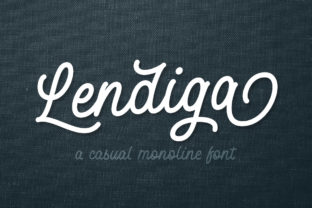
Discover the Charm of Lendiga: A Handwritten Font with Retro Appeal
Lendiga is a unique handwritten font that brings a touch of nostalgia and elegance to any design project. Its retro feel makes it stand out in a world dominated by digital typography, offering a warm and personal aesthetic that can elevate your creative work. Whether you're designing for print or digital media, understanding what sets Lendiga apart from other fonts can help you make informed decisions about its use.
What Makes Lendiga Stand Out?
Lendiga is more than just a font—it's a style statement. The font features a light, flowing script that evokes the charm of handwritten notes from the past. Each letter is carefully crafted to maintain readability while retaining a handcrafted look. This balance between legibility and artistic flair is one of its key strengths.
The retro inspiration behind Lendiga is evident in its curves and strokes, which echo the styles of vintage typewriters and old-school stationery. This nostalgic element gives Lendiga a timeless quality that can be applied across various design contexts, from branding to social media graphics.
Unlike many modern sans-serif or serif fonts, Lendiga avoids the rigidity of digital typography. Instead, it embraces imperfections and natural variation, making each character feel like a unique stroke of a pen. This subtle irregularity adds character and personality to any text it adorns.
How Does Lendiga Compare to Other Handwritten Fonts?
When evaluating Lendiga against similar options, it's important to consider both its strengths and limitations. While there are many beautiful handwritten fonts available, few capture the same level of charm and versatility as Lendiga.
Fonts like Great Vibes and Cormorant Garamond offer elegant script styles, but they often lack the playful and retro vibe that Lendiga brings to the table. These fonts may be more suitable for formal or professional settings, whereas Lendiga excels in creative and casual applications.
On the other hand, fonts such as Playfair Display and Belleza are designed for readability and clarity, making them ideal for longer texts. However, their structured and uniform appearance may not provide the same sense of warmth and individuality that Lendiga offers.
Lendiga also stands out when compared to more stylized or decorative fonts. While some fonts prioritize visual impact over legibility, Lendiga strikes a balance that allows it to be used effectively in a wide range of scenarios without sacrificing readability.
Strengths and Limitations of Lendiga
One of Lendiga's greatest strengths is its adaptability. It can be used in a variety of design projects, from logos and packaging to social media posts and invitations. Its retro aesthetic makes it particularly well-suited for branding that aims to evoke a sense of history or craftsmanship.
Another advantage of Lendiga is its lightweight and airy appearance. This makes it ideal for designs that require a soft, inviting feel. It can add a touch of sophistication to minimalistic layouts without overwhelming the viewer.
However, like any font, Lendiga has its limitations. Because it is a handwritten style, it may not be the best choice for large bodies of text. The slight variations in stroke thickness and spacing can make it challenging to read in long paragraphs or on small screens.
Additionally, Lendiga’s charm lies in its imperfections, which means it may not be the most suitable option for highly formal or corporate environments. In such cases, a more structured and consistent font might be better suited to convey professionalism and reliability.
When to Choose Lendiga and When to Look for Alternatives
Lendiga is an excellent choice for designers looking to create a personal and nostalgic feel in their work. It is particularly well-suited for projects that aim to evoke a sense of warmth, creativity, or vintage appeal.
For example, if you're designing a wedding invitation, a boutique website, or a vintage-themed poster, Lendiga can add a unique and memorable touch. Its retro charm can help differentiate your design from others and create a lasting impression.
However, if your project requires a more formal or professional tone, you may want to consider alternative fonts. For instance, a business card or a corporate brochure would benefit from a clean, readable font that conveys authority and trustworthiness.
That said, Lendiga can still be used in more professional contexts if paired with other fonts. By combining it with a sans-serif typeface for headings or body text, you can achieve a balanced and visually appealing design that maintains both style and functionality.
Practical Examples of Lendiga in Use
To better understand how Lendiga can be applied in real-world scenarios, let’s explore a few practical examples:
- Branding: A local bakery might use Lendiga for its logo and packaging to reflect a cozy, handmade feel. The font’s retro charm aligns perfectly with the brand’s image of warmth and tradition.
- Social Media: Designers often use Lendiga for Instagram captions, blog headers, or email subject lines. Its playful yet elegant style can help content stand out in a crowded digital space.
- Invitations: From birthday cards to event flyers, Lendiga adds a personal touch that feels authentic and heartfelt. Its handwritten nature makes it ideal for creating a sense of connection with the audience.
- Art Projects: Artists and illustrators may use Lendiga in mixed-media pieces or illustrations to enhance the visual storytelling. The font’s unique character can complement other elements in the design.
In each of these examples, Lendiga serves as a versatile tool that enhances the overall aesthetic of the design while maintaining readability and visual appeal.
Making an Informed Decision
Choosing the right font depends on the specific needs of your project. Lendiga is a fantastic option for those who value charm, creativity, and a touch of nostalgia. However, it's essential to consider the context in which the font will be used and whether its characteristics align with your goals.
If you’re looking for a font that balances elegance with personality, Lendiga is an excellent choice. But if your design requires clarity, consistency, or a more formal tone, you may need to explore other options. Ultimately, the best font for your project is one that enhances the message you want to convey while remaining functional and visually appealing.