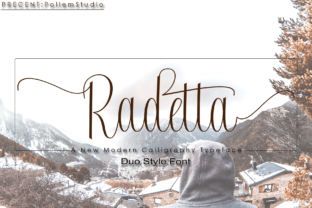
Radetta: A Versatile Handwritten Font for Creative Projects
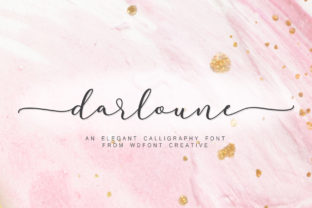
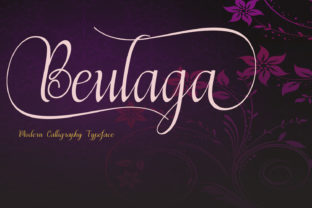
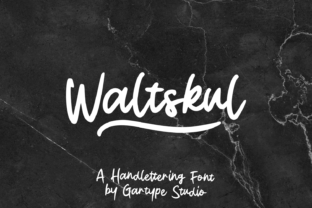
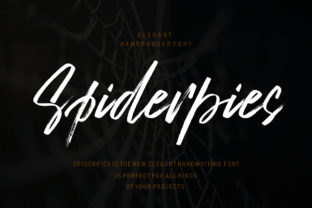
Radetta is a light and fun handwritten font that brings a unique, striking visual appeal to any design project. With its bold swashes and playful character shapes, Radetta stands out as a versatile option for designers looking to add personality and flair to their work. Whether you're creating logos, social media graphics, or branding materials, Radetta offers a fresh and modern aesthetic that can elevate your visual storytelling.
Why Radetta Might Interest You
If you're in the market for a font that combines creativity with usability, Radetta could be an excellent choice. Its handwritten style makes it ideal for projects that require a personal touch, such as invitations, greeting cards, or promotional materials. The font’s bold swashes add visual interest and help it stand out in a sea of standard fonts.
One of the key reasons people are drawn to Radetta is its versatility. It works well across various applications, from digital content to print media. Its clean lines and balanced structure ensure readability, even when used in larger formats or at smaller sizes. This balance between style and function makes it a practical option for both professional and personal use.
Benefits of Using Radetta
Radetta’s main advantage lies in its ability to convey warmth and approachability. The font's handwritten nature gives it a friendly and inviting feel, which is particularly useful for brands targeting younger audiences or those aiming for a more casual tone.
Another benefit is its adaptability. Radetta performs well in both digital and print environments, making it a reliable choice for a wide range of design needs. Additionally, its light weight ensures that it doesn’t overwhelm the text, maintaining clarity and legibility even when used in creative layouts.
The font also supports multiple languages, expanding its potential use cases. Whether you're designing for a global audience or working on multilingual content, Radetta’s compatibility helps streamline your workflow without sacrificing visual impact.
Considerations and Tradeoffs
While Radetta has many strengths, it’s important to consider its limitations. As a handwritten font, it may not be the best fit for formal or highly structured designs. For example, using Radetta in a corporate brochure or legal document might come across as too casual or unprofessional.
Additionally, Radetta’s bold swashes can sometimes make the text appear less refined compared to more traditional serif or sans-serif fonts. This means that in certain contexts, such as data-heavy reports or technical documents, a more neutral font might be preferable.
Readers should also be mindful of the font’s spacing and kerning. While Radetta generally handles these aspects well, some characters may require manual adjustment to ensure optimal readability, especially in longer texts or when combined with other fonts.
When to Use Radetta
Radetta shines in situations where a creative and expressive font is needed. It’s particularly effective for brand identity projects, such as logo design, website headers, or social media content. Its playful nature makes it a great match for lifestyle brands, creative agencies, or businesses in the entertainment or fashion industries.
The font also works well in marketing materials like posters, flyers, and event announcements. Its eye-catching design can help draw attention and create a memorable impression. For online use, Radetta pairs nicely with minimalist backgrounds or vibrant color schemes, enhancing the overall visual impact.
For personal projects, Radetta is perfect for handmade crafts, stationery, or DIY creations. Its handcrafted look adds authenticity and charm, making it a favorite among artists and crafters.
When to Consider Alternatives
While Radetta is a fantastic choice for many applications, there are scenarios where alternatives might be more suitable. For instance, if you need a font that exudes professionalism or authority, consider more structured options like Helvetica or Times New Roman.
For projects requiring high readability in small sizes, sans-serif fonts like Arial or Open Sans are often better choices. These fonts maintain clarity and legibility even when scaled down, making them ideal for body text or long-form content.
If your design calls for a more elegant or classic feel, serif fonts like Garamond or Baskerville could provide a more refined alternative. These fonts are commonly used in publishing, academic writing, and formal documentation.
Practical Insights for Decision-Making
When deciding whether to use Radetta, start by evaluating your project’s goals and audience. Ask yourself: Does the font align with the tone and message of your content? Will it enhance the visual experience without compromising readability?
It’s also helpful to test the font in different contexts. Preview how it looks in various formats, including digital and print, and assess its performance in different color backgrounds. Tools like Adobe Fonts or Google Fonts allow you to preview the font before committing to it.
Finally, consider the availability of Radetta. Ensure that the font is accessible through your preferred platform or design software. Some fonts may require a subscription or purchase, so factor this into your decision-making process.
Ultimately, Radetta is a strong contender for designers seeking a fun, expressive font with a distinctive visual style. By understanding its strengths, limitations, and appropriate use cases, you can make an informed decision about whether it meets your specific needs.