Overcast: A Versatile Font for Creative Expression
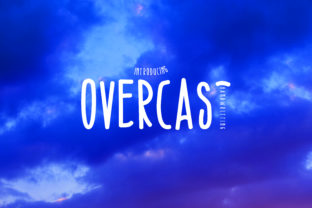
In the ever-evolving world of design and typography, the choice of font can make or break a visual message. Overcast is one such font that has gained popularity for its unique aesthetic and practical versatility. This sans serif typeface offers a fresh, light, and charming look that adds an authentic twist to any creative project. Whether you're designing a website, crafting a logo, or creating content for print, Overcast provides a distinctive character that stands out in a sea of generic fonts.
The Aesthetic of Overcast
Overcast is designed with a focus on readability and elegance. Its sans serif structure gives it a modern feel, while its handcrafted elements bring a sense of warmth and personality. The font features subtle serifs at the ends of characters, which add a touch of sophistication without compromising its clean, minimalist appearance. This balance between simplicity and charm makes Overcast ideal for both digital and print media.
One of the standout features of Overcast is its wide range of weights and styles. From ultra-light to bold, the font offers flexibility in terms of contrast and emphasis. This variety allows designers to tailor their typographic choices to suit different contexts, whether it's a sleek headline or a more approachable body text.
Why Choose Overcast?
There are several reasons why Overcast has become a favorite among designers and creators. First and foremost, its visual appeal is undeniable. The font’s lightness and charm make it particularly effective in conveying a friendly and approachable tone. This is especially useful in branding efforts aimed at younger audiences or casual consumers.
Another key advantage of Overcast is its readability. Despite its decorative elements, the font maintains excellent legibility across various sizes and backgrounds. This makes it suitable for both short-form content like social media posts and longer-form material such as blog articles or product descriptions.
Additionally, Overcast is highly adaptable. It works well in both digital and print environments, making it a versatile choice for a wide range of applications. Whether you're working on a website, a presentation, or a marketing campaign, Overcast can be customized to fit your needs without losing its distinctive character.
Use Cases for Overcast
Overcast is not limited to a specific industry or use case. Its adaptability means it can be applied in numerous creative and professional settings. Here are some common scenarios where Overcast shines:
- Branding and Logo Design: The font’s unique style can help create a memorable brand identity. It’s particularly effective for lifestyle brands, fashion labels, and creative agencies looking to stand out.
- Web Design: Overcast is a great choice for websites that want to maintain a modern yet approachable aesthetic. It pairs well with other sans serif fonts for a cohesive design.
- Print Media: Whether it's a magazine cover, a brochure, or a flyer, Overcast adds a touch of personality that can elevate the overall design.
- Presentations: For slide decks or informational materials, Overcast can enhance the visual appeal without overwhelming the viewer with too much detail.
- Product Packaging: The font’s charm and clarity make it an excellent option for packaging design, especially in industries like food, beauty, and lifestyle products.
Each of these use cases highlights how Overcast can be tailored to meet specific design goals while maintaining its core characteristics. Its ability to blend functionality with style ensures that it remains a relevant and valuable tool for designers across disciplines.
Considerations When Using Overcast
While Overcast offers many benefits, there are a few considerations to keep in mind when using it in your projects:
- Contrast and Readability: Although Overcast is generally readable, it's important to ensure that it contrasts well with the background. Lighter weights may require a darker background to maintain visibility, especially in smaller text sizes.
- Font Pairing: To avoid overwhelming the design, it's advisable to pair Overcast with complementary fonts. For example, pairing it with a geometric sans serif can create a balanced and modern look.
- Accessibility: While Overcast is visually appealing, it should be used with care in accessibility-focused designs. Ensuring sufficient contrast and appropriate font sizing is essential for users with visual impairments.
- License and Usage Rights: Always check the licensing agreement for the version of Overcast you are using. Some fonts come with restrictions on commercial use, so it's important to understand the terms before incorporating it into your work.
By being mindful of these factors, you can maximize the effectiveness of Overcast while ensuring that your design remains both beautiful and functional.
Comparisons with Other Fonts
When choosing a font, it's helpful to compare it with others in the same category to understand its strengths and limitations. Overcast shares similarities with other popular sans serif fonts like Montserrat, Roboto, and Open Sans, but it distinguishes itself through its unique charm and personality.
For instance, while Montserrat is known for its geometric precision and modern feel, Overcast brings a more organic and handcrafted element to the table. Similarly, Open Sans is widely used for its clean and readable design, but it lacks the distinctive character that Overcast offers. These differences make Overcast a compelling alternative for designers seeking a more expressive and visually engaging option.
Ultimately, the choice of font depends on the specific needs of the project. Overcast is best suited for applications where a friendly, approachable, and slightly whimsical tone is desired. If you're looking for a font that can add a unique flair to your design without sacrificing readability, Overcast is an excellent choice.
Future Trends and Relevance
As the design landscape continues to evolve, the demand for fonts that combine functionality with personality is on the rise. Overcast is well-positioned to meet this need, thanks to its unique aesthetic and practical versatility. Its ability to adapt to different contexts and industries ensures that it will remain relevant in the years to come.
Moreover, the growing interest in handcrafted and artisanal design trends has further boosted the popularity of fonts like Overcast. As more designers seek to differentiate themselves through visual storytelling, fonts that offer a personal touch become increasingly valuable. Overcast fits this trend perfectly, offering a way to infuse creativity and authenticity into every design.
Looking ahead, we can expect to see more integration of fonts like Overcast in digital platforms and creative tools. With advancements in typography technology, the potential for customization and experimentation with fonts is expanding, opening up new opportunities for designers to explore and innovate.
Conclusion
Overcast is more than just a font—it's a design statement. Its unique combination of charm, readability, and versatility makes it a powerful tool for creators across various fields. Whether you're building a brand, designing a website, or crafting a print piece, Overcast can help you achieve a distinctive and engaging visual identity.
By understanding its characteristics, advantages, and considerations, you can make informed decisions about when and how to use Overcast effectively. As the design world continues to embrace more expressive and personalized typography, fonts like Overcast will play an increasingly important role in shaping the visual language of our digital and physical spaces.