Descendent: A Versatile Font That Enhances Every Design Workflow
When it comes to typography, the right font can make or break a design. Descendent is a unique font family that bridges the gap between sans serif and serif styles, offering a modern yet timeless aesthetic. Its bold charm makes it an excellent choice for a wide range of creative projects, from branding to digital content creation. Whether you're working on a website, a print publication, or a presentation, understanding how to integrate Descendent into your workflow can elevate your output and streamline your process.
The Unique Blend of Sans Serif and Serif
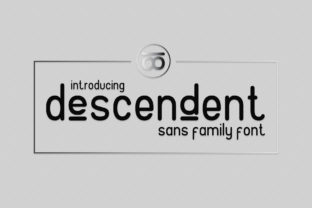
Descendent stands out because it defies traditional categorization. While it shares some characteristics with sans serif fonts—like clean lines and open spacing—it also incorporates elements of serif typography, such as subtle stroke variations and a sense of elegance. This hybrid nature allows it to be versatile in different contexts, whether you're aiming for a contemporary look or a more refined feel.
One of the key benefits of this blend is its adaptability. For instance, in a professional setting, Descendent can be used to create a balance between approachability and sophistication. In contrast, for a more artistic project, its serif influences add depth and character without overwhelming the design.
Where Descendent Fits in the Design Process
Descendent is not just a font; it's a tool that fits seamlessly into various stages of a design project. From initial concept development to final execution, it can be a valuable asset in your toolkit.
Before the Project: When planning a new design, choosing the right font is often one of the first decisions. Descendent’s distinct personality can help set the tone for your project. For example, if you're launching a brand, using Descendent in your logo or tagline can signal innovation and reliability at once.
During the Project: As you develop your design, Descendent’s versatility becomes even more apparent. It works well in both digital and print formats, making it ideal for multi-platform projects. Its readability across different screen sizes ensures that your message remains clear and impactful, no matter where it’s viewed.
After the Project: Once your design is complete, Descendent continues to offer value. It can be used in follow-up materials, such as social media posts, email newsletters, or marketing collateral. Its bold appeal helps maintain brand consistency while keeping your content visually engaging.
How Descendent Integrates With Other Tools
Descendent is designed to work well with a variety of design tools and platforms. Whether you're using Adobe Creative Suite, Figma, or Canva, the font integrates smoothly into your workflow. This compatibility ensures that you can use it across different mediums without compromising quality or style.
One of the advantages of using Descendent is its scalability. It maintains its clarity and legibility at any size, which is essential when designing for both web and print. This makes it particularly useful for creating responsive layouts or ensuring that your text remains readable on mobile devices.
Additionally, Descendent supports multiple languages and character sets, making it a great choice for international projects. This feature is especially beneficial for businesses or creators who need to communicate effectively with a global audience.
Practical Tips for Using Descendent in Your Workflow
To get the most out of Descendent, consider the following practical tips:
- Use it strategically: While Descendent is bold and striking, it’s best used in moderation. Pair it with complementary fonts for headings or titles to maintain visual harmony.
- Test across platforms: Ensure that your design looks consistent on different devices and operating systems. Descendent performs well across all major platforms, but it’s always good to verify.
- Optimize for accessibility: Use sufficient contrast between text and background to ensure readability, especially for users with visual impairments.
- Keep your workflow organized: Store Descendent in a dedicated folder within your design assets to make it easy to access during future projects.
- Experiment with weights and styles: Descendent offers a range of weights and styles, allowing you to customize your design based on the desired effect.
By incorporating these tips into your routine, you can ensure that Descendent enhances your work without complicating your process.
Real-World Use Cases for Descendent
Descendent is suitable for a wide range of applications, making it a valuable addition to any designer’s repertoire. Here are a few real-world examples of how it can be used:
Branding: The font’s bold and elegant style makes it ideal for logos, packaging, and brand materials. It conveys confidence and professionalism while maintaining a modern edge.
Digital Content: Whether you’re creating a blog post, a newsletter, or a social media graphic, Descendent adds a touch of sophistication to your text. Its clean lines and readable structure make it perfect for long-form content.
Presentations: In slide decks, Descendent can be used for titles and key points to draw attention and reinforce your message. Its strong visual presence helps keep your audience engaged.
Print Media: For magazines, brochures, or book covers, Descendent’s serif influences add a sense of refinement and tradition, while its sans serif elements ensure clarity and modernity.
Factors to Consider When Using Descendent
While Descendent offers many benefits, there are a few factors to keep in mind when integrating it into your workflow:
Preparation: Before using Descendent, ensure that you have the necessary license or subscription. Some fonts require specific permissions for commercial use, so it’s important to review the terms of service.
Compatibility: Check that Descendent is compatible with the software and platforms you use. While it generally works well, there may be occasional rendering issues that require troubleshooting.
Usability: Always test your design with different audiences to ensure that the font is effective in conveying your message. What works for one group may not resonate with another.
Organization: Keep your font library organized to avoid confusion and streamline your workflow. Labeling and categorizing fonts by purpose or project type can save time in the long run.
Efficiency: Use Descendent where it adds the most value. Avoid overusing it in every project, as this can dilute its impact and reduce its effectiveness.
Consistency: Maintain a consistent use of Descendent across all your projects to build brand recognition and reinforce your design identity.
Quality Control: Regularly review your work to ensure that the font is being used correctly and that it aligns with your overall design goals.
Long-Term Use: Consider how Descendent will fit into your long-term design strategy. Will it remain relevant as trends evolve? Is it adaptable enough to support future projects?
Conclusion
Descendent is more than just a font—it’s a powerful tool that can enhance your design workflow in meaningful ways. By understanding its strengths and limitations, you can use it effectively to create compelling visuals that resonate with your audience. Whether you're a professional designer, a small business owner, or a hobbyist, incorporating Descendent into your routine can help you achieve better results with less effort.