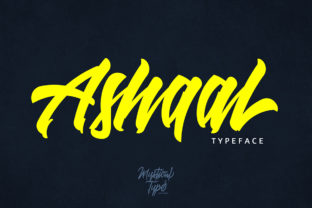
Slugger: A Font That Adds Authenticity to Every Design Project
When it comes to design, the right font can make all the difference. It’s not just about aesthetics—it’s about communication, personality, and authenticity. Enter Slugger, a font family that brings a unique blend of character and professionalism to any project. Whether you're working on a brand identity, a website, a print publication, or a creative portfolio, Slugger offers a versatile and authentic visual voice.
What Is Slugger?
Slugger is a custom font family designed with a focus on readability and distinctiveness. It combines clean lines with a subtle, handcrafted feel that adds warmth and individuality to text. Unlike many modern sans-serif fonts that prioritize minimalism, Slugger leans into a slightly more organic and approachable style, making it ideal for projects that require both clarity and character.
The font was created with a specific intent in mind: to offer an alternative to generic typefaces that dominate digital and print spaces. Its design draws inspiration from classic typography while maintaining a contemporary edge. This balance makes it suitable for a wide range of applications—from professional documents to creative content.
Where Does Slugger Fit in the Design Process?
Slugger isn’t just another font—it’s a tool that can be integrated at various stages of a design workflow. Depending on the project, its use can be strategic, enhancing both the message and the experience.
Before a Project: When planning a new design, choosing the right font is an important first step. Slugger can help set the tone for your project before you even begin. For example, if you’re designing a brand identity for a local business, Slugger’s authentic feel can reinforce the idea of community and reliability.
During a Project: As you develop your design, Slugger can serve as a consistent visual anchor. It helps maintain brand consistency across different media and platforms. Whether you’re working on a website layout, a social media post, or a brochure, using Slugger ensures that your text remains cohesive and visually appealing.
After a Project: Even after completion, Slugger can play a role in long-term branding. It can be used in follow-up materials, marketing assets, or customer communications to reinforce brand recognition and trust.
How Does Slugger Interact With Other Tools?
One of the strengths of Slugger is its compatibility with a variety of design tools and platforms. It works seamlessly with popular software like Adobe Photoshop, Illustrator, InDesign, and even web-based editors such as Canva and Figma. This makes it accessible to both professionals and hobbyists who may not have access to high-end design tools.
For web developers, Slugger is also available in web-safe formats, including WOFF and TTF, which means it can be easily embedded into websites without compromising quality or performance. This flexibility allows designers to use Slugger across multiple channels, ensuring a consistent look and feel whether the content is viewed on a desktop, mobile device, or printed material.
Additionally, Slugger can be paired with other design elements to create a more dynamic and engaging visual experience. For instance, it pairs well with bold headings, subtle background textures, and minimalist layouts. These combinations can help highlight key messages while maintaining a professional appearance.
Practical Implementation Tips
Integrating Slugger into your workflow doesn’t have to be complicated. Here are a few practical tips to get started:
- Test Different Sizes: Ensure that Slugger looks great at various sizes, especially when used in headlines or body text. It performs well in both large and small formats, but it’s always wise to test it in your specific context.
- Use It Consistently: To build brand recognition, use Slugger consistently across all your materials. This includes emails, reports, presentations, and social media posts.
- Pair with Complementary Fonts: While Slugger is a complete font family, it can be enhanced by pairing it with other fonts for contrast or emphasis. For example, using a serif font for subheadings can add depth to your design.
- Optimize for Readability: Always consider the purpose of your text. If it’s meant to be read quickly, ensure that Slugger’s spacing and weight are appropriate for the task.
- Check Compatibility: Before finalizing your design, verify that Slugger displays correctly across different devices and platforms. This is especially important for web content.
Real-World Use Cases
Slugger is not limited to one type of project. It has found a place in a variety of workflows, including:
- Brand Identity: Companies looking to establish a unique visual identity often turn to Slugger for its distinctive yet professional appearance.
- Marketing Materials: From brochures to email campaigns, Slugger adds a touch of authenticity that resonates with audiences.
- Education and Publishing: Educators and publishers can use Slugger to enhance the readability and appeal of textbooks, course materials, and online learning platforms.
- Personal Projects: Freelancers, bloggers, and hobbyists can incorporate Slugger into their personal work to give it a more polished and intentional look.
- Business Reports: For internal or external communications, Slugger provides a clear and trustworthy visual foundation that supports the message being conveyed.
Each of these use cases highlights how Slugger can be tailored to fit the needs of different audiences and objectives. Its adaptability makes it a valuable asset in any designer’s toolkit.
Factors to Consider When Using Slugger
While Slugger offers many benefits, it’s important to consider a few factors before integrating it into your workflow:
- Preparation: Take time to understand how Slugger fits with your overall design philosophy. Will it complement your existing style or stand out as a unique choice?
- Compatibility: Ensure that Slugger works well with the tools and platforms you use. Some fonts may not render correctly in certain environments.
- Usability: Test Slugger in real-world scenarios to see how it performs under different conditions. Does it remain legible and visually appealing?
- Organization: Keep track of where and how you use Slugger. This will help you maintain consistency and avoid overuse or misuse.
- Efficiency: Choose Slugger for tasks where its unique qualities add value. Avoid using it unnecessarily, as this can dilute its impact.
- Consistency: Use Slugger consistently to build a strong visual identity. Mixing it with too many other fonts can lead to confusion.
- Quality Control: Regularly review your work to ensure that Slugger is being used effectively and appropriately.
- Long-Term Use: Consider how Slugger will continue to serve your needs over time. Will it remain relevant and useful in future projects?
Conclusion
Slugger is more than just a font—it’s a design element that can elevate your work with authenticity and clarity. By understanding its strengths, considering its integration into your workflow, and using it thoughtfully, you can unlock its full potential. Whether you’re a professional designer, a small business owner, or a hobbyist, Slugger offers a versatile and impactful way to communicate your message with confidence and style.