Grime: A Unique Decorative Font with a Slime-Inspired Twist
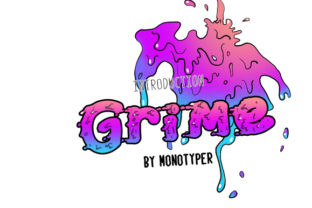
Grime is more than just a decorative font—it's an artistic expression that brings a playful and unconventional aesthetic to any creative project. Inspired by the organic textures of sludge and slime, Grime offers a distinctive visual identity that stands out in a world dominated by sleek and minimalist designs. This font is particularly appealing to designers, artists, and content creators who are looking for something different, something bold, and something that can elevate their work with a touch of whimsy.
The Origins and Design Philosophy of Grime
Grime was created with the intention of capturing the essence of natural, messy, and fluid forms. The design process involved studying the irregular shapes and textures found in nature, particularly those associated with substances like sludge and slime. These materials are known for their unpredictable flow and texture, which made them an ideal source of inspiration for a font that defies traditional structure.
The result is a font that feels alive, almost as if it's moving or changing shape. Each character in Grime has a unique, slightly distorted form that mimics the way sludge might appear when disturbed. This gives the font a sense of motion and energy that is rarely seen in other typographic styles.
Characteristics That Define Grime
- Organic Shapes: The curves and lines in Grime are not rigid but instead follow the natural flow of sludge, creating a sense of movement.
- Textural Variety: Each letter is designed with subtle variations in thickness and depth, giving the impression of a material that is both soft and dense.
- Playful Aesthetic: Grime is intentionally designed to be fun and eye-catching, making it suitable for projects that require a sense of humor or creativity.
- High Contrast: The contrast between light and dark areas in the font adds depth and dimension, enhancing its visual impact.
These characteristics make Grime a versatile choice for a wide range of applications. Whether used in digital media, print design, or branding, Grime adds a unique personality that can help a project stand out.
Practical Applications of Grime in Creative Projects
One of the most compelling aspects of Grime is its adaptability. It can be used in various contexts, from website headers to product packaging, and even in educational materials. Let's explore some real-world use cases where Grime shines.
Branding and Logo Design
For brands that want to convey a sense of uniqueness or playfulness, Grime can serve as a powerful tool. Its organic feel makes it ideal for industries such as food, entertainment, and children's products. For example, a local bakery might use Grime in their logo to reflect a fun and approachable brand image.
However, it's important to consider the readability of Grime in smaller sizes. While it looks great at larger sizes, it may become difficult to read when scaled down. This means that designers should test how the font performs in different contexts before finalizing their design.
Digital Content Creation
In the realm of digital content, Grime can be used to create engaging headlines, social media posts, and even animated text effects. Its distinctive style can draw attention and encourage interaction, making it a valuable asset for content creators.
When using Grime on websites or apps, it's crucial to ensure that it complements the overall design. Pairing it with clean, modern fonts can create a balanced look that highlights the uniqueness of Grime without overwhelming the user.
Artistic and Educational Materials
Artists and educators can also benefit from using Grime. In art classes, it can serve as a creative exercise for students to experiment with typography and texture. In educational materials, it can add a visual interest that helps engage younger audiences.
That said, it's essential to maintain clarity in educational settings. While Grime is visually striking, it should not compromise the readability of important information. Using it sparingly and in appropriate contexts is key to achieving the desired effect.
Considerations When Choosing Grime
Before incorporating Grime into your design projects, there are several factors to consider. Understanding these will help you determine whether this font is the right fit for your needs.
Readability and Legibility
As mentioned earlier, Grime's unique design can sometimes affect its legibility, especially at smaller sizes. While it works well for headlines and large text, it may not be suitable for body text or long paragraphs. Designers should always test how the font appears in different contexts to ensure it remains clear and easy to read.
Compatibility and Accessibility
Grime may not be available in all font libraries or platforms, so it's important to check compatibility before using it in a project. Additionally, ensuring that the font is accessible to users with visual impairments is crucial. Providing alternatives or using tools that enhance readability can help make the design more inclusive.
Creative Versatility
Despite its unconventional appearance, Grime is remarkably versatile. It can be paired with other fonts to create a dynamic contrast, or it can be used as a standalone element to make a strong visual statement. Its ability to adapt to different styles and themes makes it a valuable addition to any designer's toolkit.
Comparisons with Other Decorative Fonts
While Grime shares some similarities with other decorative fonts, such as Comic Sans or Brush Script, it distinguishes itself through its unique texture and organic feel. Unlike Comic Sans, which is often criticized for being too casual, Grime maintains a level of sophistication that allows it to be used in more professional settings.
Compared to Brush Script, which is more stylized and elegant, Grime leans towards a more chaotic and playful aesthetic. This makes it better suited for projects that aim to evoke a sense of fun or creativity rather than formality.
Ultimately, the choice of font depends on the specific needs of the project. Grime is best suited for applications where a unique and memorable visual identity is desired, while more traditional fonts may be preferable for formal or professional contexts.
Conclusion
Grime is a font that challenges conventional design norms and offers a fresh, creative alternative for designers and content creators. Its sludge-inspired texture and playful aesthetic make it a standout choice for projects that require a sense of uniqueness and visual interest.
Whether used in branding, digital content, or educational materials, Grime has the potential to leave a lasting impression. However, it's important to use it thoughtfully, considering factors such as readability, accessibility, and compatibility. By doing so, designers can harness the full potential of Grime and create impactful, memorable designs that resonate with their audience.