Germany
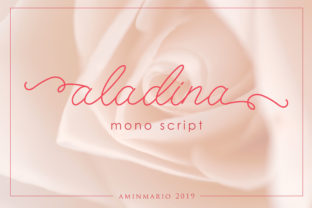
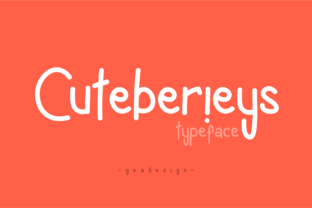
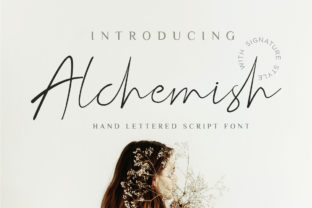
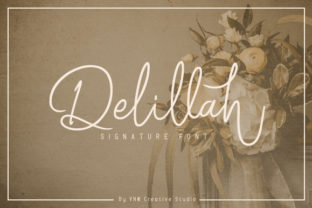
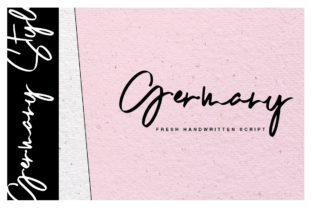
Germany is more than just a country in Europe—it’s a symbol of precision, innovation, and enduring quality. But when we talk about Germany, we’re not just referring to its geography or culture; we’re also exploring a unique font that embodies the essence of this nation: Germany, a handwritten font with a light and delicate appearance that carries a sophisticated feel. This font is more than just a design choice—it's a strategic tool that can enhance communication, branding, and creative expression.
The Aesthetic of Germany
Germany is a font that captures the elegance and refinement often associated with German craftsmanship. Its delicate strokes and clean lines reflect a balance between artistry and functionality. Unlike bold or heavy fonts, Germany offers a subtle yet powerful visual presence that can elevate any design without overwhelming it.
This font is particularly effective in contexts where timelessness and sophistication are key. Whether used for invitations, brand logos, or digital content, Germany brings a sense of grace and understated elegance that resonates with audiences who value quality over flash.
Why Use Germany Strategically?
In a world where attention spans are short and visual overload is common, choosing the right font can make all the difference. Germany offers a strategic advantage by allowing designers and communicators to stand out while maintaining a sense of refinement.
For professionals in marketing, branding, or content creation, using Germany can help reinforce a brand’s identity as thoughtful, deliberate, and high-quality. It signals to the audience that the message being delivered is worth their time and attention.
Moreover, Germany is versatile enough to be used across various mediums—print, web, and digital platforms. Its adaptability makes it a valuable asset in diverse projects, from product packaging to social media graphics.
Strategic Use Cases for Germany
- Branding: A font like Germany can become a signature element of a brand’s visual identity, helping to differentiate it in a crowded market.
- Design Projects: From wedding invitations to editorial layouts, Germany adds a touch of sophistication that elevates the overall aesthetic.
- Content Creation: Bloggers and creators can use Germany to add a personal, artistic flair to their content while maintaining readability.
- Product Packaging: The delicate nature of Germany aligns well with premium products, reinforcing a perception of quality and care.
How to Approach Using Germany
Before incorporating Germany into your design or communication strategy, it’s important to consider its context and purpose. Just like any other design element, a font should serve a function beyond aesthetics.
Start by asking yourself: What message do I want to convey? Does Germany align with the tone and values of your project? If you're aiming for a modern, minimalist look, Germany may be an excellent fit. However, if your goal is to evoke a more traditional or formal atmosphere, you might want to explore other options.
Also, think about the audience you're targeting. Will they appreciate the subtlety and elegance of Germany, or will they prefer something more bold and assertive? Understanding your audience’s preferences ensures that your design choices resonate effectively.
Planning Tips for Effective Use
- Define Your Goals: Determine what you hope to achieve with Germany. Is it to enhance brand recognition, improve user engagement, or simply elevate the visual appeal of your work?
- Test in Context: Preview how Germany looks in different environments—on a website, in print, or on a mobile device—to ensure it performs well across all platforms.
- Consider Readability: While Germany is elegant, it’s important to ensure that the text remains legible, especially at smaller sizes or in low-light conditions.
- Pair Wisely: Combine Germany with complementary fonts to create a balanced and visually appealing design.
Risks of Using Germany Without Clear Intent
Like any design decision, using Germany without a clear strategy can lead to unintended consequences. One of the most common risks is visual inconsistency. If Germany doesn’t align with the rest of your design elements, it can create a disjointed or unprofessional appearance.
Another risk is miscommunication. If the font doesn’t match the tone or message of your content, it can confuse your audience or dilute the impact of your communication. For example, using Germany in a high-energy or urgent context might come off as too soft or indecisive.
Additionally, relying on Germany without considering its limitations can lead to overdesign. In some cases, the delicacy of the font might overshadow the content itself, making it harder for the audience to focus on the message.
Long-Term Value of Thoughtful Use
When used intentionally, Germany can contribute to long-term success in various ways. It helps build a consistent brand identity, reinforces professionalism, and enhances user experience through thoughtful design.
For entrepreneurs and small business owners, investing in a font like Germany can be a small but meaningful step toward creating a memorable brand. For marketers and creatives, it offers a way to express personality and creativity while maintaining clarity and impact.
Ultimately, the value of Germany lies in its ability to support your goals without overpowering them. When used strategically, it becomes a powerful tool for communication, branding, and design excellence.
Conclusion
Germany is more than just a font—it’s a reflection of thoughtfulness, precision, and elegance. By understanding its strengths and limitations, and by using it with intention, you can unlock its full potential in your creative and professional endeavors.
Whether you're building a brand, designing a website, or crafting a piece of content, Germany offers a refined and timeless approach that can elevate your work and resonate with your audience. With careful planning and strategic use, it can become an essential part of your design toolkit.