Comeback to Hometown: A Unique Blend of Whimsy and Boldness
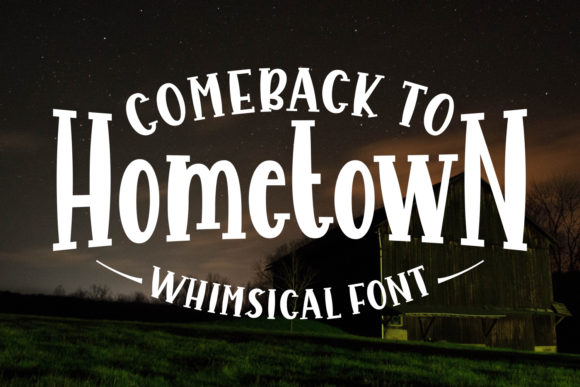
Comeback to Hometown is more than just a font—it’s an experience. With its whimsical and charming handwritten style, it brings a sense of warmth and nostalgia to any design project. Yet, what truly sets it apart is its bold twist, which adds a modern edge to its traditional roots. This unique combination makes Comeback to Hometown a versatile choice for designers, creatives, and anyone looking to add personality to their work.
What Makes Comeback to Hometown Stand Out?
At first glance, Comeback to Hometown evokes the feel of hand-drawn script—soft, flowing, and inviting. But beneath that surface lies a bold character that commands attention. The font’s structure is intentionally designed to balance elegance with strength, making it suitable for both subtle and striking applications.
One of the most notable aspects of this font is its down-to-earth feel. It doesn’t try too hard to impress; instead, it offers a genuine, relatable aesthetic that resonates with a wide audience. Whether used in branding, invitations, or personal projects, Comeback to Hometown feels like a natural fit.
The font also features a distinct personality that can be tailored to different contexts. Its versatility allows it to adapt to various styles—from playful and youthful to mature and refined—depending on how it’s applied. This flexibility makes it a valuable tool for those who want a font that can grow with their creative vision.
Comparing Comeback to Hometown with Similar Fonts
When considering fonts similar to Comeback to Hometown, several options come to mind. These include other handwritten fonts like Great Vibes, Playfair Display, and Chewy. While these fonts share some visual similarities, they each have their own unique characteristics that may make them more or less suitable for specific projects.
Great Vibes is another popular handwritten font known for its soft curves and elegant flow. However, it tends to be more stylized and less bold than Comeback to Hometown. This makes it ideal for more delicate designs but less effective for those seeking a stronger visual impact.
Playfair Display is a serif font that combines classic typography with a touch of modernity. While it lacks the handwritten charm of Comeback to Hometown, it offers a more structured and professional appearance. This makes it better suited for formal or editorial settings.
Chewy is another option that shares some similarities with Comeback to Hometown. It has a fun, casual vibe that appeals to younger audiences. However, it often comes across as less refined and more playful than Comeback to Hometown, which can be a drawback in more serious contexts.
In contrast, Comeback to Hometown strikes a balance between charm and confidence. It’s not overly ornate like Great Vibes, nor is it too rigid like Playfair Display. Instead, it offers a middle ground that is both approachable and impactful.
Strengths and Tradeoffs of Comeback to Hometown
Like any font, Comeback to Hometown has its strengths and limitations. One of its greatest advantages is its ability to convey emotion and personality through design. Whether you’re creating a logo, a social media post, or a greeting card, this font can help your message stand out in a meaningful way.
Another benefit is its readability. Despite its handwritten style, the font maintains clear legibility, which is essential for any design that needs to be understood at a glance. This makes it particularly useful for digital content, where clarity is key.
However, there are situations where Comeback to Hometown may not be the best choice. For instance, in highly formal or professional environments, its informal nature might not align with the desired tone. Similarly, in large-scale print projects, the font’s handcrafted look could become less effective when scaled up.
Additionally, while the font is versatile, it may not offer the same level of customization as some other fonts. Designers who require fine-tuned adjustments to letter spacing, kerning, or weight may find themselves limited in their options.
When to Choose Comeback to Hometown
Comeback to Hometown is an excellent choice for a variety of applications, especially when the goal is to create a sense of authenticity and connection. It works particularly well in the following scenarios:
- Branding Projects: If you’re designing a brand identity that values warmth and approachability, this font can help create a memorable and relatable image.
- Social Media Content: Its playful yet confident style makes it ideal for posts, stories, and banners that aim to engage and entertain.
- Personal Projects: From invitations to thank-you notes, Comeback to Hometown adds a personal touch that feels genuine and heartfelt.
- Local Business Signage: For small businesses or community-focused ventures, this font can help reinforce a local, friendly atmosphere.
It’s also worth noting that Comeback to Hometown performs well in both digital and print formats. Its clean lines and consistent structure ensure that it remains legible across different mediums, making it a reliable choice for a wide range of uses.
Alternatives to Consider
If Comeback to Hometown isn’t the right fit for your project, there are several alternatives that may better suit your needs. Here are a few options to consider:
- Great Vibes: Ideal for more stylized, artistic designs that prioritize aesthetics over functionality.
- Playfair Display: Best suited for formal or editorial settings where a refined, professional look is required.
- Chewy: Perfect for younger audiences or more casual, playful designs.
- Bitter: Offers a modern, sans-serif alternative with a strong, confident presence.
Each of these fonts has its own strengths and weaknesses, so it’s important to evaluate your project’s goals and audience before making a decision.
Making an Informed Choice
Choosing the right font depends on a variety of factors, including the purpose of the design, the target audience, and the overall tone you wish to convey. Comeback to Hometown is a great option when you want to blend charm with confidence, but it’s not the only solution available.
Ultimately, the best approach is to experiment with different fonts and see how they fit your project. Try using Comeback to Hometown in a few different contexts to get a sense of its strengths and limitations. If it aligns with your vision and goals, it can be a powerful tool in your design toolkit. If not, there are plenty of other options to explore.